Throughout history, religions have often used depictions of deities to visually represent their beliefs and values. Most of which have visuals containing realistic humanistic figures, others have symbols to represent their deities and/or their teachings. Take Buddhism in the third century BC; They decided to use symbols to represent Siddhartha Gautama because they thought he had transcended his physical body. These symbols include his footprints which represent Siddhartha Gautama leaving the palace and renouncing worldly goods, the wheel of law that represents him and his preachings, and a linden tree where he is said to find enlightenment. You can view such symbols on toranas and other ancient buddhist architecture. This culture among many others predominantly dedicated buildings to showcase art of their deities and the importance of these ideas to the community.

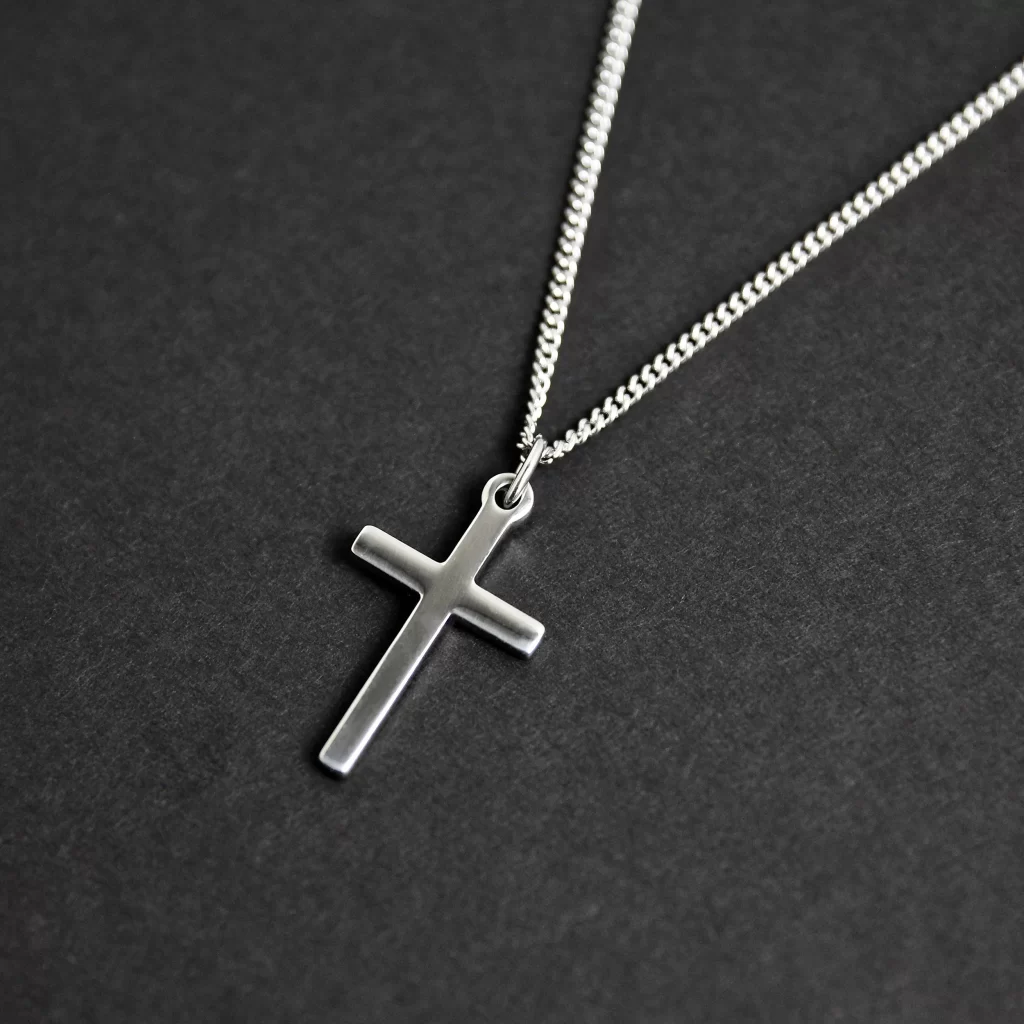
As time progressed, attitudes towards one’s relationship with religion have changed in the United States. Take Christianity, instead of building large gothic cathedrals, we build more modern simpler buildings that can be changed to serve a new purpose if needed. We also use simple religious symbols, like the cross, to wear as jewelry. It’s also more common for this form of representation of deities because of mass production. Even if these religions didn’t have this reasoning behind their depictions of their deities, they still benefit from their easy marketing abilities. But despite society missing grand architecture and beautiful realistic depictions of one’s deities, having simplistic jewelry enables intimate and individualized connections to religious beliefs and values that are more easily able to spread around the world.
Leave a Reply