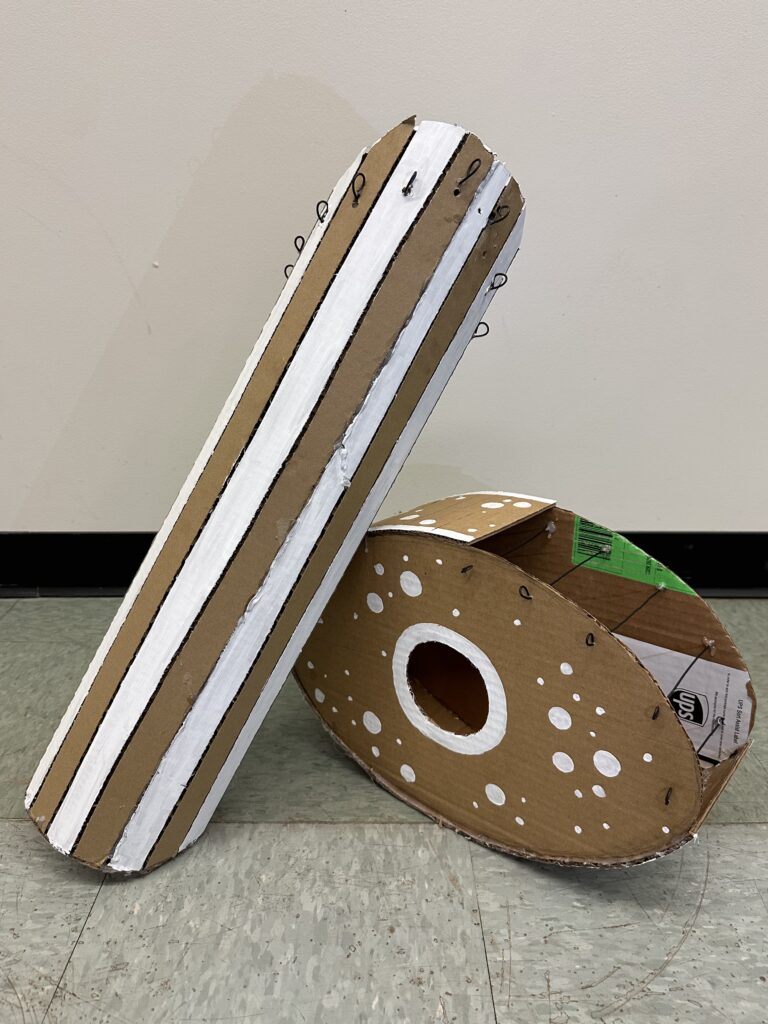
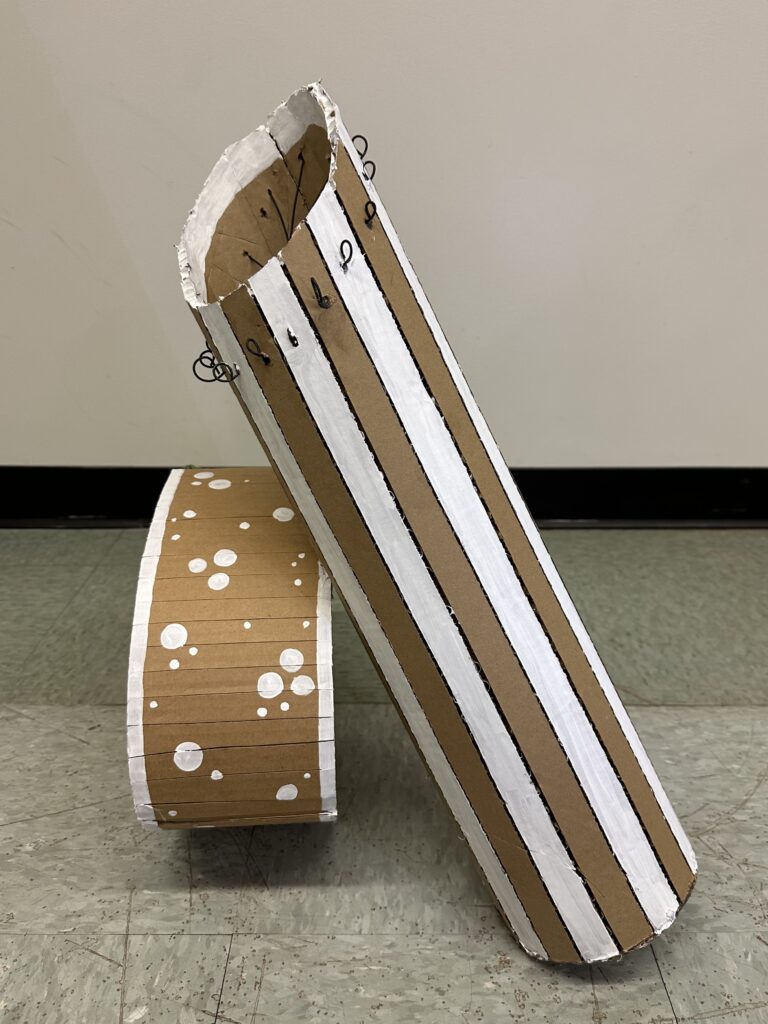
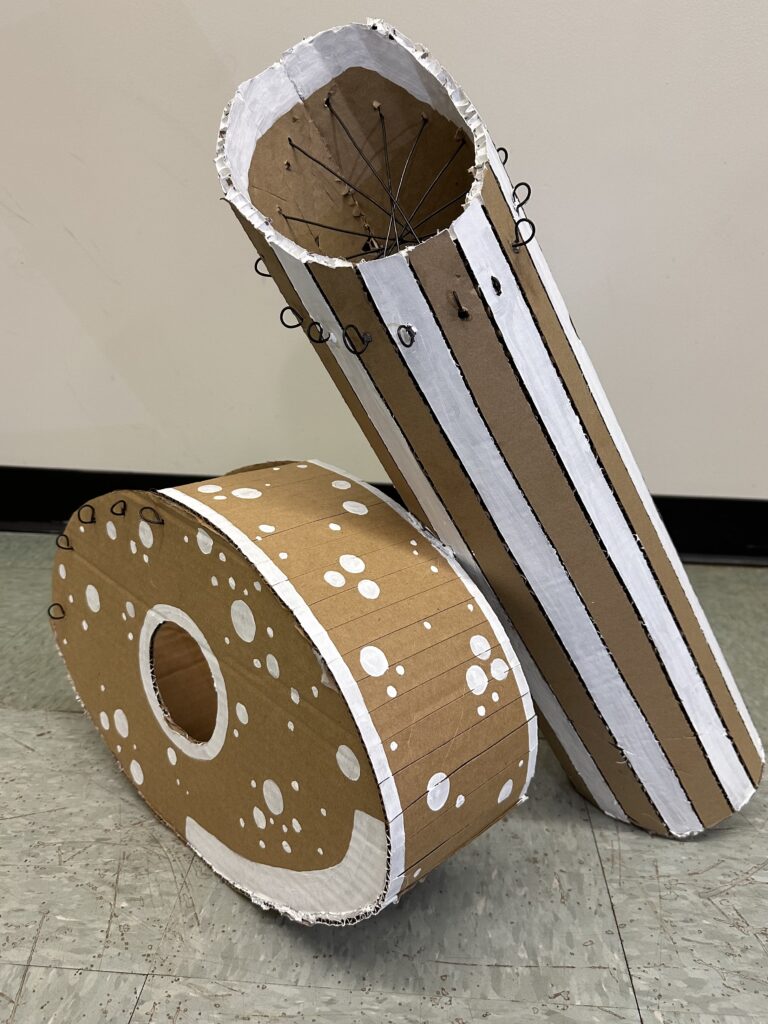
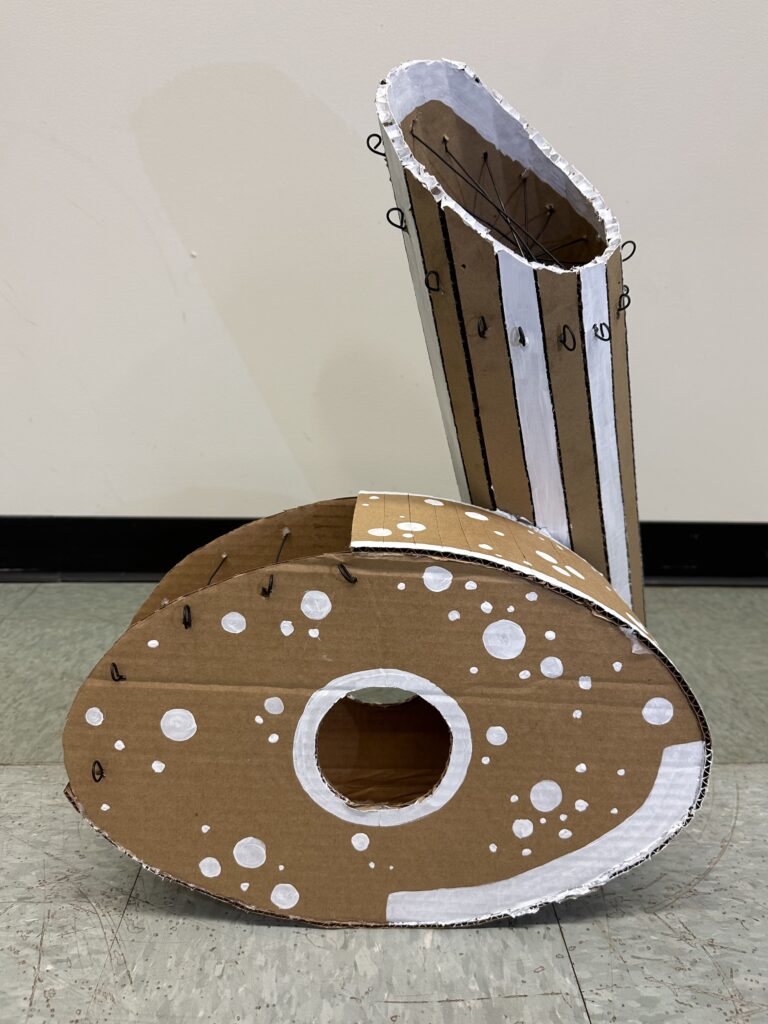
In the art world, provocation often gets more attention than creativity and dynamic quality. Artists like Jeff Koons gain overwhelming attention for the principle and controversy of its avant garde qualities. Koons’ fans have an easier time justifying his work when they look at it in a vacuum, not acknowledging other artists’ work. This attention really could be distributed to many other artists or works that are more dynamic like Nick Ervinck for example.
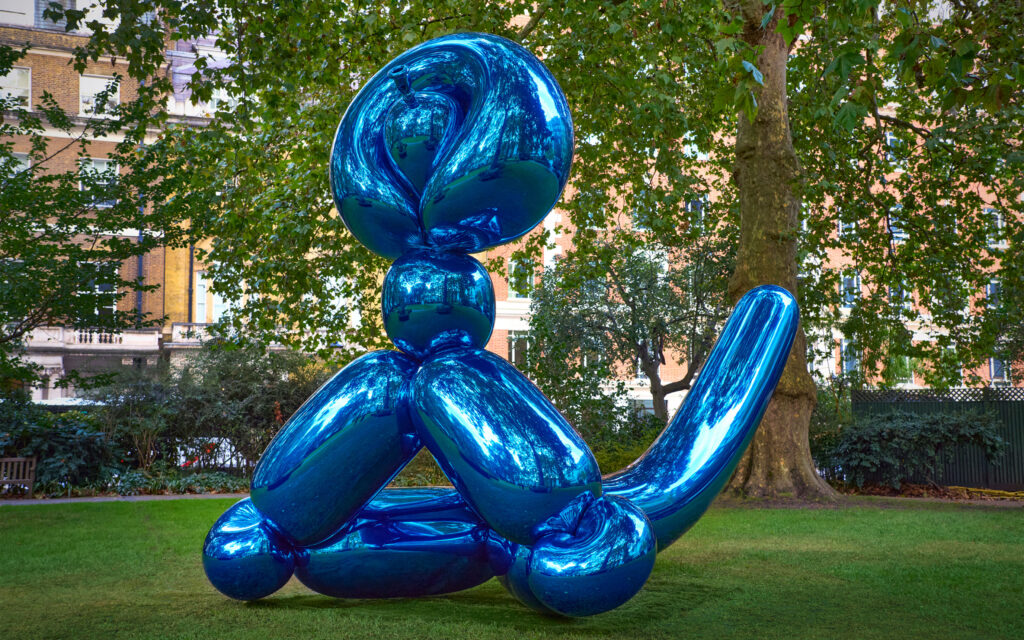
Koons’ work is admired for its technical flawlessness. When discussing his strive for perfection in an interview with NOWNESS, he said, “When I would work with an object, I would want every detail, every perfection or imperfection of the object. So when somebody would view it, that they could maintain this kind of suspension of disbelief and go along with this abstraction for as long as possible.” When this mindset is applied to generally symmetrical subjects like his balloons in Celebration, the works look too even, making it visually boring. For instance, in Balloon Monkey (Blue), he could make various sized versions of the piece, rotate them, and stick them together at different points of his original piece. This could still be naturalistic and would help create interest in the form. He could also create interest in the surface by having contrasting textures. Like most of his other sculptures, the Balloon Monkey (Blue) is covered in one solid metallic color. Having an area or two that go against this “perfection” would strengthen the pieces visually. Koons’ pursuit of perfection limits his works and can make them stagnant.
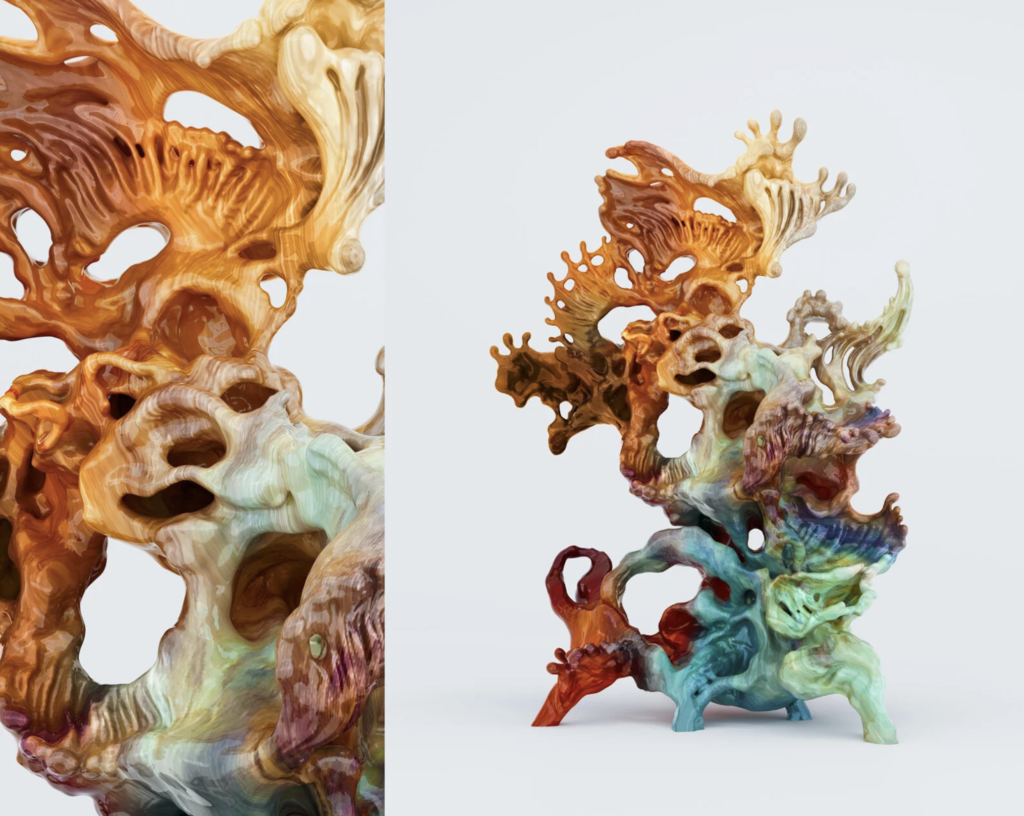
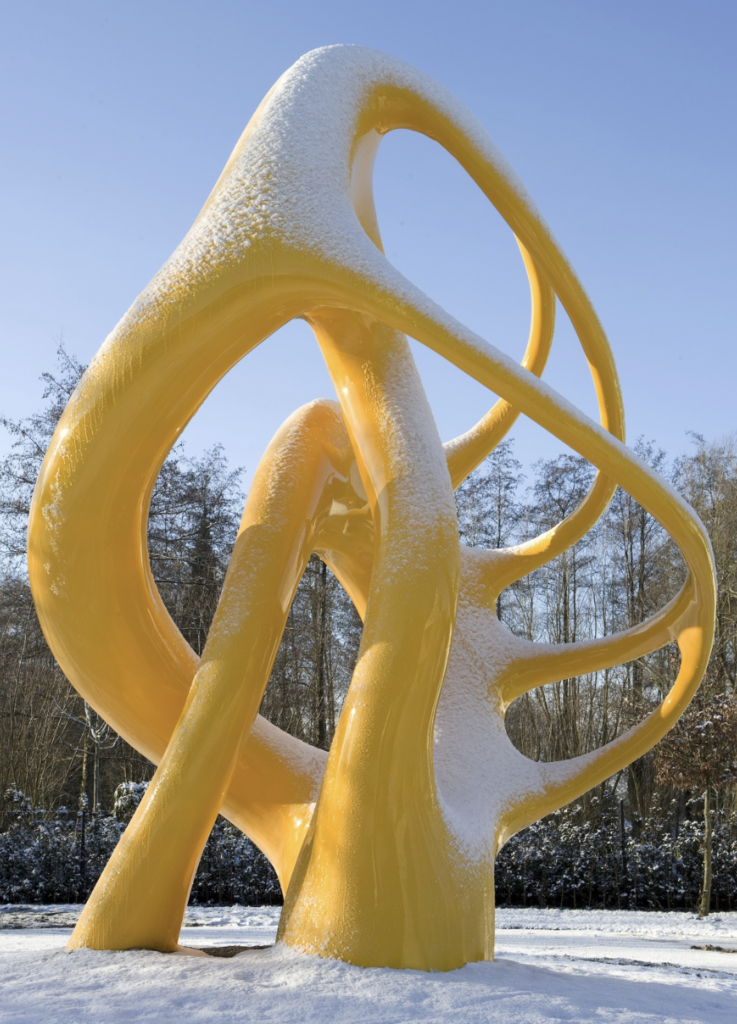
Works like Nick Ervinck NOITERIS are inarguably visually dynamic. NOITERIS has repetition in form and color. It has an interesting glossy woodgrain-like texture that adds depth to the piece. It also contrasts in its use of negative and positive space while staying balanced. The viewer’s eyes travel across the entire sculpture and are not fixed at one point. This may not be “perfection” but the technical work is still strong enough for the immersion to be believable to the audience.
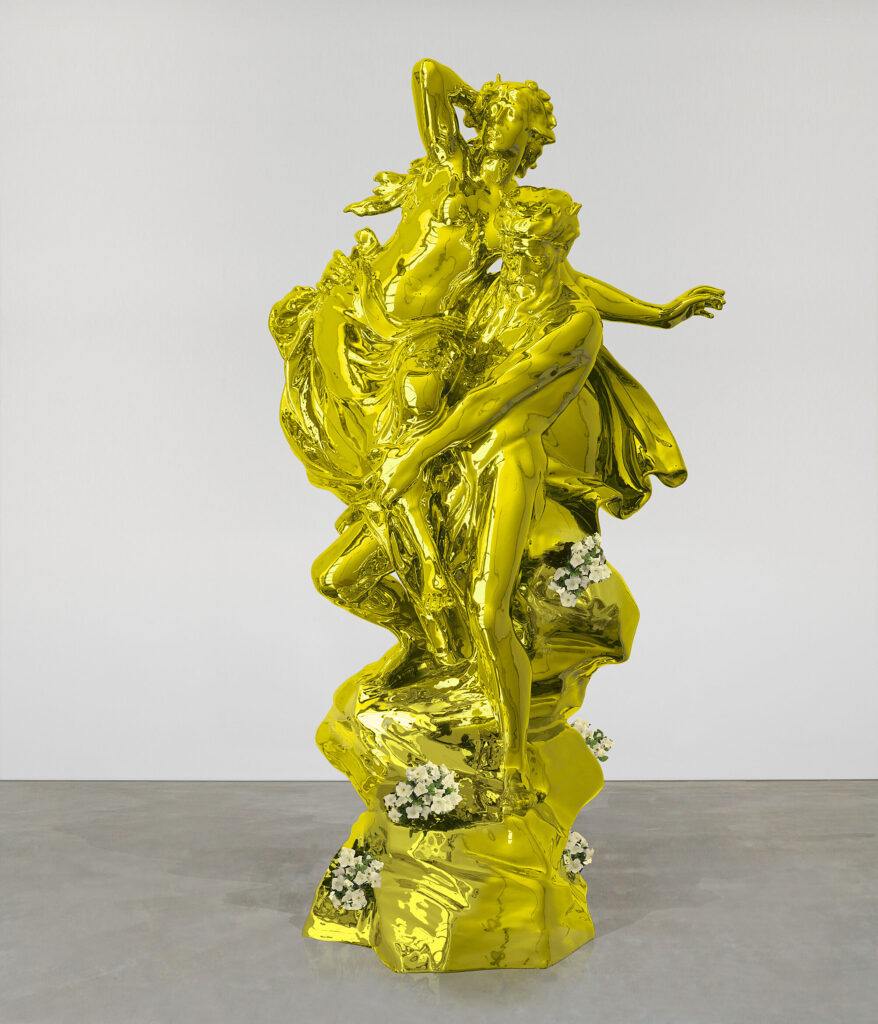
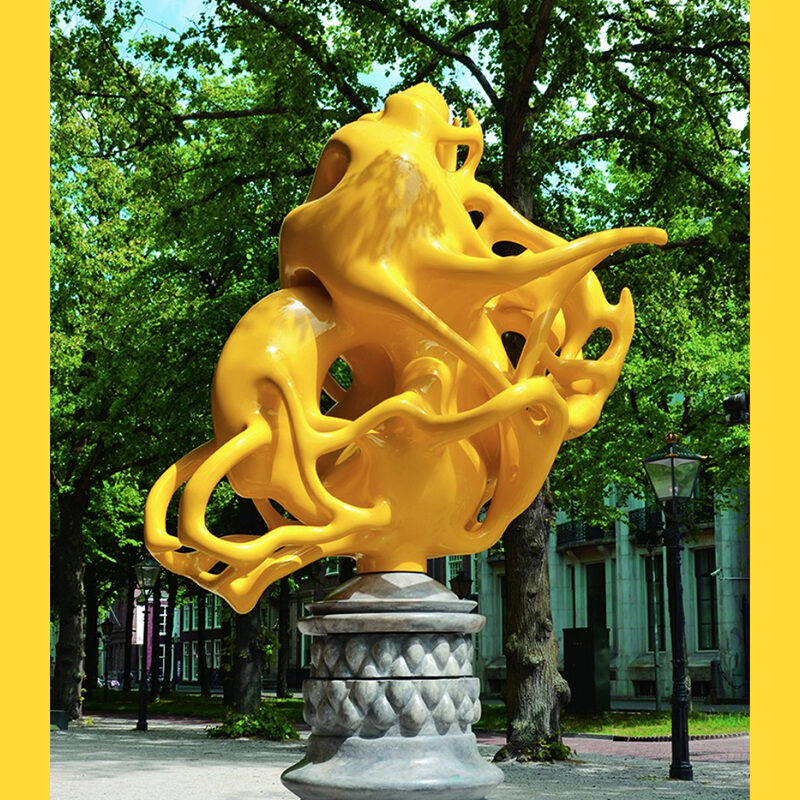
Jeff Koons’ A Retrospective and Nick Ervinck’s LUIZAERC are two very similar pieces in terms of colors and gestural form. Looking at the two of these pieces side by side allows you to see how they compare with their dynamic aspects. The biggest difference that stands out is Koon’s rooted priority in naturalism and Ervinck’s priority in incorporating negative space into the sculpture.
Ervinck commented on a similar sculpture of his, “After all, PRAHIARD looks like a sculpture which embraces the empty space in between. As a result of this embrace, that empty space has become a sculptural instrument.” Since Koons is focusing on making this piece believable to the audience, he doesn’t give himself the opportunity to use negative space in the piece like Ervinck can. A Retrospective, also lacks contrast in proportion making the sculpture look highly busy. LUIZAERC is chaotic like A Retrospective but isn’t as hard to look at due to business, it has contrast in proportion between the abstract blobs and doesn’t rely on naturalistic details to make it dynamic.
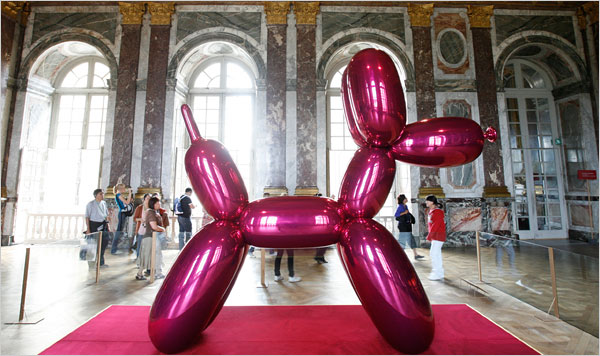
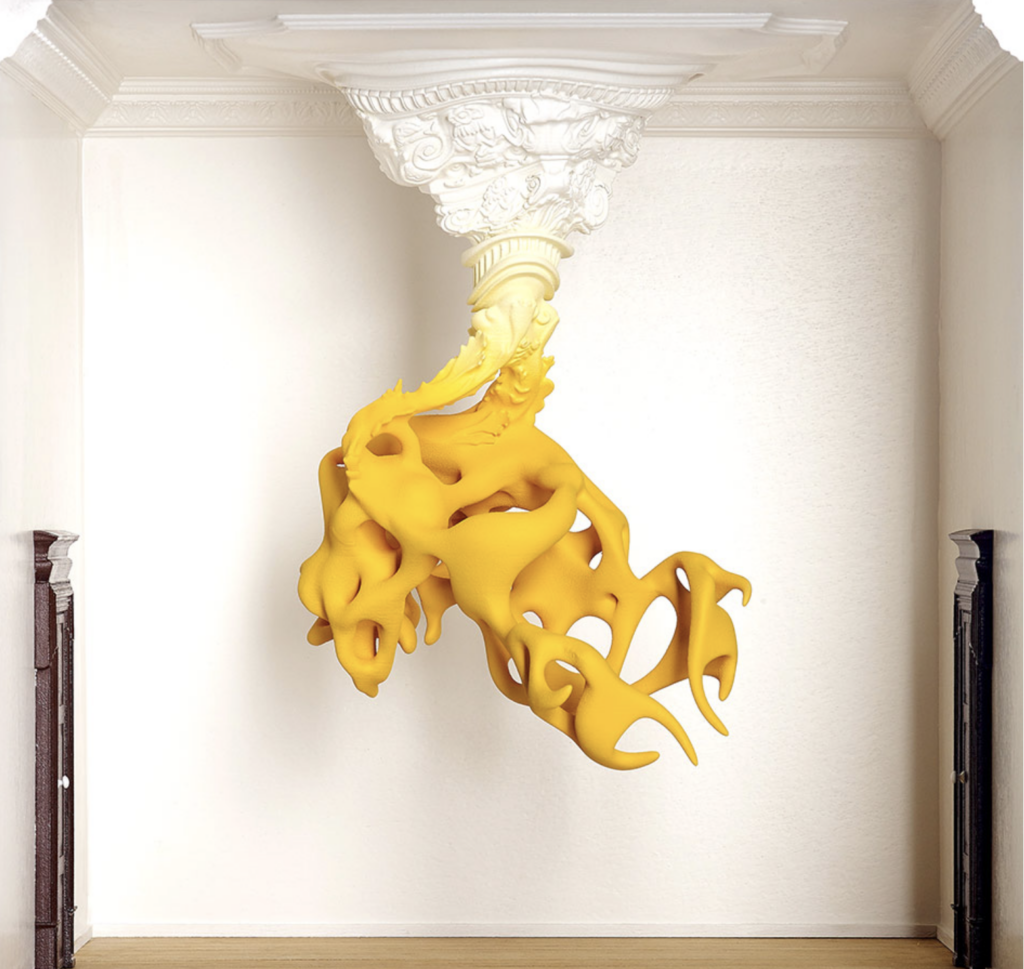
When the sculptures are placed in older buildings that are more classical or french baroque they can be controversial for being nontraditional art in traditional places. However Ervinck has a skill to incorporate the environment into his piece like he did in the ceiling medallion of KOMANIL. Whereas Koons’ Balloon Dog in the Palace of Versailles stuck out like a sore thumb, asking to have debate on its right to be there. Whether the art actually belongs there is subjective. However, having the skill to analyze a space and adapt your work accordingly to fit the aesthetics of its surroundings, immerse viewers, or otherwise, is one I’ve yet to see from Koons’.
Popularity of art solely based on controversy and shock value instead of their artistic skill should be avoided at all costs. Let the debate take place and then let it spark conversation to praise other artists who you think are deserving. As viewers we do not need to continue to over praise the successful who don’t align with our artistic values. We can give attention to those who do it all.
Work Cited
“8 Questions with Nick Ervinck – ORIGINAL Issue.” Al-Tiba9, Al-Tiba9 Contemporary Art, 1 June 2020, www.altiba9.com/artist-interviews/nick-ervinck-3d-sculpture.
The Editors of Art Market. “Nick Ervinck | An Exclusive Interview.” Art Market, 8 Oct. 2020, artmarketmag.com/nick-ervinck-an-exclusive-interview/.
Lancelin, Hervé. “Jeff Koons: The Triumph of Shimmering Emptiness.” ArtCritic, 17 Dec. 2024, www.artcritic.com/en/jeff-koons-the-triumph-of-shimmering-emptiness/.
McGivern, Hannah. “Jeff Koons Goes Head-to-Head with Michelangelo in Florence.” The Art Newspaper – International Art News and Events, The Art Newspaper – International art news and events, 1 Sept. 2015, www.theartnewspaper.com/2015/09/01/jeff-koons-goes-head-to-head-with-michelangelo-in-florence.
“Prahiard.” Nick Ervinck, nickervinck.com/en/work/advanced-search/detail-2/prahiard. Accessed 7 May 2026.
“Reflections: Jeff Koons’ Philosophy of Perfection.” NOWNESS, 16 June 2014, www.nowness.com/series/reflections/jeff-koons-philosophy-of-perfection.